Business Name: BeeHive Homes of Plainview
Address: 1435 Lometa Dr, Plainview, TX 79072
Phone: (806) 452-5883
BeeHive Homes of Plainview
Beehive Homes of Plainview assisted living care is ideal for those who value their independence but require help with some of the activities of daily living. Residents enjoy 24-hour support, private bedrooms with baths, medication monitoring, home-cooked meals, housekeeping and laundry services, social activities and outings, and daily physical and mental exercise opportunities. Beehive Homes memory care services accommodates the growing number of seniors affected by memory loss and dementia. Beehive Homes offers respite (short-term) care for your loved one should the need arise. Whether help is needed after a surgery or illness, for vacation coverage, or just a break from the routine, respite care provides you peace of mind for any length of stay.
1435 Lometa Dr, Plainview, TX 79072
Business Hours
Monday thru Sunday: 9:00am to 5:00pm
Facebook: https://www.facebook.com/BeeHivePV
YouTube: https://www.youtube.com/@WelcomeHomeBeeHiveHomes
Families rarely prepare for this specific transition. They look into senior care, compare features, sign a contract with a big senior home, and breathe a sigh of relief. Then, a year or two later, reality shifts. A parent who did well in a huge community starts getting lost en route to the dining-room. The call button is pressed regularly. A fall changes gait and self-confidence. Personnel rotation feels continuous. The location that when felt dynamic now feels overwhelming.
At that point, many households start to take a look at smaller assisted living homes or residential care homes. The relocation is not simply a change of address. It is a strategic shift in the type of elderly care, the expectations of life, and the psychological landscape for the older grownup and the family.
This kind of shift can go very well, however it does not occur by accident. It helps to comprehend the differences between huge and small settings, the normal triggers for a move, and the practical and psychological variables that matter most.
What really alters when you move from large to small
A huge senior house typically looks like a hotel or a resort. Several dining rooms, long corridors, activity calendars printed in color, transport schedules, a marketing group, and different departments for nursing, house cleaning, and life enrichment. For lots of older adults who are still relatively independent, this can feel energizing.
A little assisted living home might have 6 to 10 citizens under one roof, in some cases approximately 16 depending on state guidelines. The owner may be on site. You might stroll in and smell soup on the range. Personnel might be folding laundry in the very same space where locals are ending up a puzzle. It can feel more like a household and less like a campus.
The shift is not merely about size. It has to do with design of care. Huge structures are typically developed around effectiveness of scale and a hospitality state of mind layered with care. Small homes are generally built around distance, repetition, and relationship. That distinction shows up in lots of small ways every day: who responds when someone calls out at 3 a.m., how meals are adjusted for someone's appetite, who notifications a subtle change in strolling pattern.
Families that do well with this shift comprehend that they are trading some things for others. They might lose the expansive activity calendar but gain more one to one engagement. They might quit a private veranda but gain more detailed guidance and quicker response times. Being clear about those trade offs helps everyone change expectations.
Common factors households think about a smaller assisted living home
Most families do not awaken one day desiring a smaller place. There are generally patterns that establish over months. Specific situations come up so frequently that I can almost forecast them from the first phone call.
One common circumstance includes cognitive decline. A resident who browsed a huge neighborhood comfortably at move in begins to reveal signs of early dementia. At first it is misplacing items, missing out on a meal here or there, a bit of confusion about the day of the week. Gradually, the resident might forget space numbers, leave the elevator on the wrong floor, or roam into other apartments. Personnel in large buildings work hard, but they are spread out thin. Unless the resident is officially enrolled in a protected memory care unit, supervision counts on corridor checks and personnel seeing patterns in a sea of people.
Another regular trigger is repeated hospitalizations from falls, urinary tract infections, or medication errors. In a big structure, medication passes are generally set up and structured, however the nurse or med tech may be accountable for lots of locals per shift. A resident who is frail, quickly dehydrated, or less able to communicate might slip through the cracks. Families begin hearing phrases like, "We are not staffed for that level of care," or "We may need to go over whether this setting is still appropriate."
Behavioral changes can also press the question. A resident may start withstanding showers, refusing group meals, or withdrawing to their room. In a huge setting, personnel can invite and encourage, however they seldom have the capacity to sit with one person for thirty or forty minutes simply to coax them into the dining room. The resident's world quietly shrinks. A little home, with fewer people and shorter distances, typically ends up being a better fit.
Lastly, family experience often drives the move. A child may observe that each time she visits, she fulfills different staff members and has to duplicate the very same information about her father's practices and preferences. She might feel that no one "truly knows him" any longer, even if the care is technically adequate. The desire for connection and a more individual connection typically leads households to explore smaller sized options.
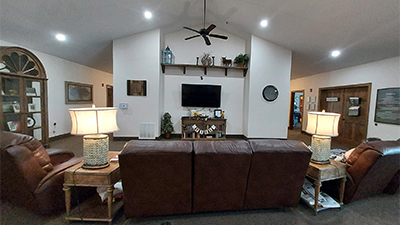
How small assisted living homes provide care differently
Small homes are not instantly better. They are different. Comprehending those differences assists you evaluate whether they fit your parent's needs.
Staff in a little home are normally never far from homeowners. If the house has 8 locals, a caretaker strolling from the kitchen area to the living room will pass by nearly everybody. That physical proximity modifications everything in elderly care. A caregiver pouring coffee notifications tremblings, how fast or slowly someone is consuming, whether somebody looks more pale. It is easier to catch the small things: a slight limp, a change in appetite, more frequent bathroom trips.

One of the greatest benefits is connection. Personnel turnover happens all over, but in a small assisted living environment, the very same 2 to four caretakers are often working the majority of the shifts. Citizens see the same faces. Habits are found out practically by osmosis. A caretaker understands that Mrs. Kim requires two prompts to take her tablets, not one. They know that if Mr. Alvarez declines breakfast two days in a row, something is incorrect. That level of attunement can minimize hospitalizations and improve quality of life.
However, small homes usually do not have the depth of on site features big neighborhoods use. There might not be several dining places, physical therapy suites, or a full time activity director. Rather, activities are woven into day-to-day jobs: helping fold towels, watering plants, listening to music, viewing a caretaker cook. For some citizens, that feels boring. For others, particularly those with dementia, the simpleness feels calming and manageable.
From a scientific point of view, most residential assisted living homes concentrate on chronic assistance rather than competent treatment. They excel at individual care, medication management, and supervision. They are usually not developed to manage intricate ventilator care or active rehab. They typically coordinate with home health firms or hospice teams to bring extra services into the home when needed.
When memory care needs drive the transition
Dementia changes the formula for senior care more than almost any other medical diagnosis. A person with congestive heart failure or diabetes can typically adapt to the environment of a large building if their physical needs are satisfied. An individual with advancing dementia connects with the environment in a less predictable way.
Big senior homes sometimes have committed memory care units with locked doors and structured programs. These can work well in the moderate phases of dementia, particularly for homeowners who still enjoy group activities and can gain from sensory spaces, strolling paths, and specialized shows. However, many households hesitate to move a loved one into a locked unit because it feels like a step down in independence.
Small assisted living homes can effectively work as memory care in all however name, particularly when they are experienced with dementia and designed around it. The home design matters: fewer doors, much shorter corridors, clear sight lines, familiar domestic hints like a cooking area table and a tv in the living room. Staff may accompany homeowners continuously, directing them gently instead of relying on locked wings.
I have actually seen citizens who were distressed and agitated in a large, echoing dining-room become considerably calmer in a little home where meals were served at a single table with six people. The sound levels, the lighting, and the repetition allowed their nervous system to settle. Regimens can be finely tailored: the exact same seat at the table, the same mug each morning, the exact same music playlist at dusk.
When dementia is present, ask clearly about the home's experience with memory care. Do they accept locals who roam? Can they manage exit seeking habits securely? How do they handle "sundowning" agitation in the late afternoon? The responses will tell you whether the home's philosophy fits your parent's needs.
Considering respite care before a long-term move
For numerous families, an intermediate step can reduce the transition: a short term stay, frequently described as respite care. Some little assisted living homes offer this choice for a week, a month, or a specified period after a hospitalization.
Respite care serves three functions. Initially, it enables the older adult to experience the environment without dedicating to a complete relocation. Familiarity reduces fear. Residents find out faces, regimens, and the layout. Second, it gives the family a possibility to observe how staff interact with their loved one and whether the home is as attentive as promised during the tour. Third, it can supply a bridge after severe health problem, when a huge senior home may not be prepared to readmit the resident if their care needs have increased.
If a home provides respite care, take notice of whether respite guests receive the very same attention as long term residents. You do not want a 2 tier system where long-term homeowners get the most experienced caregivers while brief stay residents are handled by whoever is free.
Practical actions to manage the relocation thoughtfully
Once the choice is made, the genuine work starts. Moves are difficult for older adults, particularly those with cognitive problems. An unwinded, extended timeline is ideal, however medical and safety issues sometimes force quicker shifts. Even under time pressure, a little structure helps.
Here is a succinct sequence lots of households discover useful when moving from a huge senior house to a smaller assisted living home:
Confirm care capacity and licensing at the brand-new home, consisting of whether they can manage particular requirements like oxygen, incontinence, or two individual transfers. Coordinate with the present house relating to notice durations, last billing, and move out procedures, and clarify whether they will help with medication lists and transfer summaries. Schedule the move for a time of day when your parent is generally at their best, which is often mid morning instead of late afternoon or evening. Set up the brand-new room or suite beforehand with familiar furnishings, photos, and bed linen, so the space feels identifiable from the first moment. Hand off comprehensive written information about routines, choices, triggers, and comforting methods to the brand-new personnel, and examine it verbally with the individual in charge.Each of those steps sounds basic, but details matter. When establishing the room, attempt to recreate important visual anchors from the old home. If your mother always saw her favorite chair facing the window with a particular lamp on the left, mirror that setup in the brand-new place. For people with memory problems, the brain uses visual repetition as a cue for safety.
On the communication side, do not assume paperwork tells the entire story. Draw up useful notes. For example, "Dad will decline his evening pills when, however if you come back in 15 minutes with a glass of orange juice and make a little joke, he usually agrees." These small pieces of understanding can avoid conflict and develop trust quickly.
Emotional truths for the older adult
Families often concentrate on logistics and security requirements: staffing ratios, fall threat, medication management. The older adult experiences the move viscerally. They are losing next-door neighbors, familiar landmarks, and in some cases a cherished picture of independence.
In bigger senior houses, identity is often tied to the environment. A resident may state, "I survive on the 3rd floor neglecting the yard," or "I go to exercise class on Tuesdays and bridge on Thursdays." When that structure disappears, there is a type of sorrow. Even if they were not participating in numerous activities, the possibility mattered.
In a small assisted living home, identity can move toward relationships and roles. Some citizens become the unofficial greeter, the one who notifications when a new person arrives. Others help set the table, fold napkins, or call out personnel by name when another resident requirements assistance. Roles can be healing, but they need to be offered, not forced. A proud former executive may feel belittled if constantly asked to "assist with tasks" in ways that feel infantilizing. Staff with psychological intelligence pick up on that and find more dignified ways to include them, maybe in checking the mail, reviewing the daily paper, or picking the music.
Expect a period of change that can last several weeks. Confusion, anger, or passiveness throughout that window are common and not always indications of a bad fit. I have seen locals who refused to unpack initially, then 3 weeks later on were asking personnel whether the new neighbor may like to join them at the table. The key corresponds, calm reassurance rather than consistent dispute about the decision.
For residents with dementia, preventing prolonged descriptions typically works better. Ground them in the present: "This is your room. Here is your bed. I will be back after lunch." Long conversations about why the move occurred can increase stress and anxiety more than understanding.
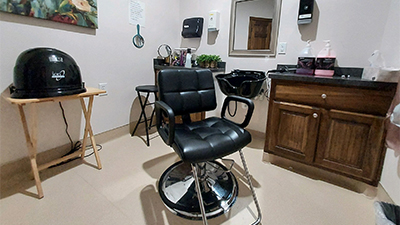
Supporting the family through the transition
Family members likewise go through a transition. Adult children who promoted highly for the initial relocation into the huge senior home in some cases feel that they failed or picked improperly. It assists to understand that care requires modification. A setting that was ideal at one stage of life may be unsafe or insufficient later on. Adjusting the environment is a sign of responsible senior care, not a betrayal of earlier decisions.
Sibling dynamics often intensify beehivehomes.com memory care around 2nd moves. The sibling who dealt with the very first positioning may be stressed out or defensive. Another brother or sister might question whether the smaller home is "good enough" if it does not have fitness center equipment or a bistro. Honestly naming what each person values can prevent simmering animosity. A single person might prioritize medical safety above all, another might highlight social life, and a third may stress most about financial resources. Acknowledging those differences allows for more sincere compromise.
Some families take advantage of quick therapy or support system used by regional firms on aging, faith communities, or disease specific organizations like the Alzheimer's Association. Hearing that other families have navigated similar shifts makes the path feel less lonely.
From a useful viewpoint, families must recalibrate how they visit and promote. In a big residence, advocacy typically involved participating in care strategy conferences, tracking which director managed which department, and following up on work orders. In a small home, relationships are more direct. You might talk to the very same supervisor or owner each time. This nearness is a strength, however it can also blur boundaries. Clear, respectful communication about expectations keeps the relationship healthy over the long term.
Cost, agreements, and the business side of the move
Money undoubtedly forms elderly care choices. Big senior neighborhoods normally promote a base rent plus tiered care levels or à la carte charges for assistance with bathing, dressing, medication management, and escorts. The costs can approach in time as needs increase.
Small assisted living homes frequently use one of two designs: either an all inclusive rate that covers most care, or a base rate with less, simpler include ons. All inclusive prices can bring predictability, which numerous households value, specifically when care needs are high. However, "all inclusive" seldom includes everything. Transportation to specialized appointments, committed one to one caretakers throughout health center stays, or specific materials might still be billed separately.
Before you sign, request a copy of the full contract and fee schedule, not simply the glossy sales brochure. Take notice of:
How the home examines care needs and whether they book the right to increase charges mid lease if needs change significantly. Discharge criteria, that is, the conditions under which they might ask your parent to leave, such as ending up being bedbound or establishing habits they can not safely manage. Policies around hospitalizations, including the length of time they will hold the bed and what costs are charged throughout absences. Refund terms for deposits or community fees if the stay ends all of a sudden within the very first few months. Responsibility for personal property, including what takes place in case of theft, damage, or loss.Families are in some cases amazed to discover that a small home might cost roughly the same as, or even more than, a bigger house when care requirements are intense. The higher staff ratio and more hands on help drive costs. On the other hand, the reduced threat of repeated hospitalizations and the potential for much better stability can offset some monetary and emotional expenses over time.
Red flags and thumbs-ups when evaluating a small home
No 2 homes are alike. Regulations vary widely by state, and within the exact same city, quality can vary from exceptional to bad. During tours, your senses are your finest tools.
A strong small assisted living home feels purposeful but not staged. Locals should appear clean and properly dressed, however not all sitting calmly in front of a television. Personnel needs to connect in natural ways, using names, making eye contact, and reacting to requirements promptly. You must see care occurring, not be told that it happens someplace else.
Ask pointed concerns. How many caretakers are on duty during the busiest times of day, and what is the over night staffing pattern? Exists an awake team member all night or just someone sleeping on site? How are new personnel trained, and who monitors them? Residences that respond to concretely, with examples rather than unclear peace of minds, tend to be better run.
Notice how personnel discuss citizens when they do not think they are being seen closely. Small remarks can expose a culture of respect or, in some cases, among impatience and blame. A home may be physically appealing however emotionally unkind. That is not a good trade.
On the positive side, green lights include consistent management, long periods among staff, transparent communication about occurrences, and collaboration with outdoors suppliers such as home health, hospice, and physical treatment. When a supervisor can rapidly call each resident, explain their personality, and articulate a plan for their care, it recommends real engagement.
Finding a sustainable care environment
Moving from a large senior house to a little assisted living home is frequently driven by necessity, however it can end up being a turning point toward more personalized and sustainable senior care. Security, self-respect, and connection increase to the leading edge. Features and appearances take a considerate back seat.
The most successful transitions take place when households accept the new phase of life their loved one is in, rather than trying to recreate the early, more independent chapter inside a smaller building. The objective shifts from making the most of options to refining the right set of supports so that each day is as calm, comfortable, and significant as possible.
With careful preparation, honest evaluation, and a desire to adjust, a small home can offer a level of elderly care that feels less like an institution and more like a neighborhood of individuals who understand one another well, right down to how they like their coffee and which story they are most happy to tell.
BeeHive Homes of Plainview provides assisted living care
BeeHive Homes of Plainview provides memory care services
BeeHive Homes of Plainview provides respite care services
BeeHive Homes of Plainview supports assistance with bathing and grooming
BeeHive Homes of Plainview offers private bedrooms with private bathrooms
BeeHive Homes of Plainview provides medication monitoring and documentation
BeeHive Homes of Plainview serves dietitian-approved meals
BeeHive Homes of Plainview provides housekeeping services
BeeHive Homes of Plainview provides laundry services
BeeHive Homes of Plainview offers community dining and social engagement activities
BeeHive Homes of Plainview features life enrichment activities
BeeHive Homes of Plainview supports personal care assistance during meals and daily routines
BeeHive Homes of Plainview promotes frequent physical and mental exercise opportunities
BeeHive Homes of Plainview provides a home-like residential environment
BeeHive Homes of Plainview creates customized care plans as residents’ needs change
BeeHive Homes of Plainview assesses individual resident care needs
BeeHive Homes of Plainview accepts private pay and long-term care insurance
BeeHive Homes of Plainview assists qualified veterans with Aid and Attendance benefits
BeeHive Homes of Plainview encourages meaningful resident-to-staff relationships
BeeHive Homes of Plainview delivers compassionate, attentive senior care focused on dignity and comfort
BeeHive Homes of Plainview has a phone number of (806) 452-5883
BeeHive Homes of Plainview has an address of 1435 Lometa Dr, Plainview, TX 79072
BeeHive Homes of Plainview has a website https://beehivehomes.com/locations/plainview/
BeeHive Homes of Plainview has Google Maps listing https://maps.app.goo.gl/UibVhBNmSuAjkgst5
BeeHive Homes of Plainview has Facebook page https://www.facebook.com/BeeHivePV
BeeHive Homes of Plainview has an YouTube page https://www.youtube.com/@WelcomeHomeBeeHiveHomes
BeeHive Homes of Plainview won Top Assisted Living Homes 2025
BeeHive Homes of Plainview earned Best Customer Service Award 2024
BeeHive Homes of Plainview placed 1st for Senior Living Communities 2025
People Also Ask about BeeHive Homes of Plainview
What is BeeHive Homes of Plainview Living monthly room rate?
The rate depends on the level of care that is needed. We do an initial evaluation for each potential resident to determine the level of care needed. The monthly rate is based on this evaluation. There are no hidden costs or fees
Can residents stay in BeeHive Homes until the end of their life?
Usually yes. There are exceptions, such as when there are safety issues with the resident, or they need 24 hour skilled nursing services
Do we have a nurse on staff?
No, but each BeeHive Home has a consulting Nurse available 24 – 7. if nursing services are needed, a doctor can order home health to come into the home
What are BeeHive Homes’ visiting hours?
Visiting hours are adjusted to accommodate the families and the resident’s needs… just not too early or too late
Do we have couple’s rooms available?
Yes, each home has rooms designed to accommodate couples. Please ask about the availability of these rooms
Where is BeeHive Homes of Plainview located?
BeeHive Homes of Plainview is conveniently located at 1435 Lometa Dr, Plainview, TX 79072. You can easily find directions on Google Maps or call at (806) 452-5883 Monday through Sunday 9:00am to 5:00pm
How can I contact BeeHive Homes of Plainview?
You can contact BeeHive Homes of Plainview by phone at: (806) 452-5883, visit their website at https://beehivehomes.com/locations/plainview/, or connect on social media via Facebook or YouTube
You might take a short drive to the Jimmy Dean Museum. Jimmy Dean Museum offers a low-impact cultural experience appropriate for assisted living, senior care, elderly care, and respite care visits.